.png)
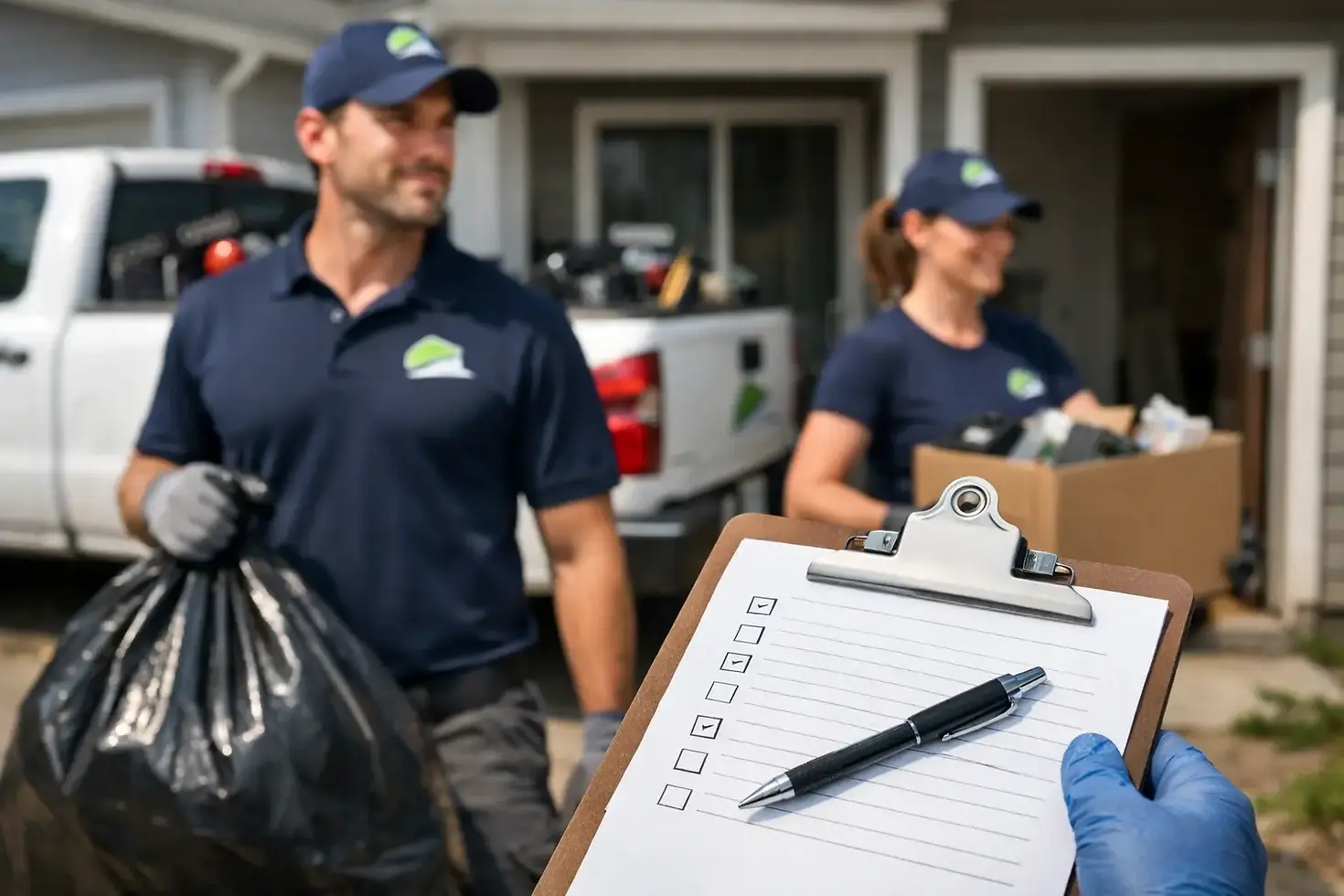
Foreclosure Cleanup Checklist Guide for Turnovers
A vacant foreclosure can look manageable from the driveway, then turn into a major job once you open the garage, closets, shed, and backyard gate. This foreclosure cleanup checklist guide helps homeowners, investors, real estate agents, and property managers move through the work in the right order so the property can be secured, cleaned out, and prepared for its next step without unnecessary delays.
Foreclosure cleanouts are different from a typical move-out. You may find furniture, appliances, personal belongings, spoiled food, construction debris, yard waste, and items that need special disposal. A clear plan protects the property, keeps the crew safe, and prevents valuable or legally sensitive items from being tossed too soon.
Start With Permission, Access, and Safety
Before removing a single item, confirm that you are authorized to enter and clear the property. The owner, lender, asset manager, estate representative, or property manager should provide written direction on what may be removed and whether any belongings must be stored or documented first.
Make sure you have working keys, gate codes, garage access, and contact information for the person responsible for decisions. If the property has been vacant for a while, inspect it before bringing in a cleanup crew. Look for broken windows, damaged flooring, leaking pipes, standing water, pest activity, exposed wiring, unstable stacks of debris, and signs of mold.
Do not treat hazardous conditions like ordinary junk. Gas cans, chemicals, paint, propane tanks, batteries, needles, asbestos-containing materials, and unknown liquids require careful handling. If there is a strong odor, extensive mold, sewage backup, or structural damage, pause the cleanout and bring in the appropriate professional before hauling starts.
Foreclosure Cleanup Checklist Guide: Walk Through Every Area
A room-by-room walkthrough prevents missed items and makes it easier to build an accurate removal plan. Take dated photos or video before work begins, especially if the property is being handled for a lender, estate, or management company. Document major damage, abandoned vehicles, valuable-looking items, and anything that may require approval.
Use this checklist as you inspect the home:
Check the entry, living spaces, bedrooms, bathrooms, closets, attic, and laundry area for furniture, bagged trash, personal items, and damaged fixtures.
Inspect the kitchen for spoiled food, old refrigerators, small appliances, cabinets full of items, and any signs of leaks or pest activity.
Open the garage, storage rooms, shed, and utility areas. These spaces often hold the heaviest materials, including tools, tires, paint, boxes, old water heaters, and bulky appliances.
Walk the exterior, including side yards and behind fences, for green waste, broken patio furniture, scrap wood, dumped debris, and abandoned outdoor equipment.
Check for records, mail, prescription medication, photographs, financial documents, and personal identification before filling a haul-away truck.
It is tempting to clear everything quickly, but speed without sorting can create problems. A locked filing cabinet may hold sensitive documents. A closet can contain valuables or personal property that the owner is entitled to retrieve. When in doubt, set the item aside, photograph it, and ask the authorized contact how they want it handled.
Sort What Stays, Goes, Recycles, or Needs Special Handling
Once the walkthrough is complete, establish clear categories. Items marked to stay should be separated from removal areas so they are not accidentally hauled away. This can include installed appliances, window coverings, fixtures, equipment needed for repairs, or personal property that must be retained.
Usable furniture, clothing, household goods, and working appliances may be candidates for donation, depending on their condition and local acceptance rules. Recycling can also keep materials out of the landfill. Metal bed frames, some appliances, cardboard, electronics, and clean scrap materials often have a better destination than general trash.
Some items are not suitable for regular junk removal. Refrigerators and freezers need proper handling because of refrigerants. Mattresses may have different disposal rules depending on condition and location. Tires, paint, chemicals, and e-waste can require separate processing. An experienced local removal team can identify these items early and explain the best disposal path.
The trade-off is simple: sorting takes a little more time upfront, but it can reduce disposal issues, protect confidential information, and make the cleanup more responsible. It also makes the final bill easier to understand because the crew can see what requires extra labor or specialized handling.
Clear the Property in the Right Order
For most foreclosure cleanouts, start with loose trash, spoiled food, and clearly discarded items. Then move to large furniture, mattresses, appliances, and packed boxes. Clearing pathways first gives everyone safer access to the deeper parts of the house and makes it easier to load efficiently.
Heavy items should never be dragged across flooring that needs to be preserved for sale or rent. Use proper lifting methods, dollies, and floor protection where needed. This matters in homes with intact tile, hardwood, or recently replaced carpet. Saving a floor from damage can be worth far more than rushing a couch out the front door.
Garages and backyards often deserve their own plan. A garage may contain shelves, cabinets, old exercise equipment, tools, paint, lumber, and appliances. A backyard may need green waste removal, broken fencing, scattered debris, or old play equipment removed before landscapers can get to work. If demolition is needed for a damaged shed, cabinet run, deck section, or other small structure, separate that scope from basic hauling so expectations are clear.
Clean for the Next Team, Not Just for an Empty House
An empty property is not always a turnover-ready property. After hauling is complete, sweep out debris from rooms, closets, the garage, and exterior walkways. Remove nails, loose screws, shattered glass, and small scraps that can damage tires or injure contractors.
Then make a short condition list for the next team. Note holes in drywall, missing smoke detectors, broken blinds, plumbing leaks, damaged appliances, flooring issues, pest evidence, and overgrown landscaping. This is not a formal inspection, but it gives the owner or manager a practical view of what needs attention before listing, repairs, or tenant turnover.
If the property is headed to market, curb appeal matters right away. Clear junk from the front yard, remove dead planters and broken outdoor furniture, and make sure the driveway and entry are accessible. For a rental, an empty garage and clean storage area can be just as important, since those spaces are often a deciding factor for new tenants.
When Hiring a Cleanup Crew Makes More Sense
A small cleanout may be manageable if there are only a few bags and lightweight items. A full foreclosure property is usually a different situation. Multiple rooms of furniture, appliances, garage clutter, and exterior debris can mean several truckloads, long disposal runs, and a real risk of injury.
Hiring a full-service junk removal team means you do not have to coordinate labor, find a truck, lift heavy items, or figure out where each material should go. Ask for a clear quote, explain whether there are stairs, long carry distances, oversized items, or special materials, and make sure the crew knows what must remain on-site.
For properties in San Diego County and Riverside County, Jaguar Junk Removal can help with foreclosure cleanouts, estate cleanouts, appliance removal, furniture hauling, garage cleanouts, yard debris, and light demolition. The goal is straightforward: point out what needs to go, and let a dependable crew handle the lifting, loading, hauling, and responsible disposal.
A foreclosure cleanup does not have to become a weeks-long burden. Secure the property, document what you find, sort carefully, and bring in help before the work becomes bigger than the schedule. A clean, cleared home gives the next owner, tenant, agent, or repair crew a better place to start.


Comments