.png)

ADU Cleanup Guide for a Ready-to-Use Space
A newly built ADU can look finished long before it is actually ready for a tenant, family member, or guest. Sawdust settles inside cabinets, packaging fills the driveway, and leftover materials take up valuable space. This ADU cleanup guide helps you plan the final cleanup so the property feels safe, clean, and ready to use without turning the last stage of construction into another major project.
An accessory dwelling unit is a small space, which makes cleanup more noticeable. A few boxes, a stack of drywall scraps, or an old appliance can make the entire unit feel cramped. The goal is not simply to haul away junk. It is to clear the site in the right order, protect new finishes, and leave the space ready for its next purpose.
Start With the Right ADU Cleanup Plan
Before anyone starts sweeping or loading debris, walk through the ADU and the surrounding area. Look inside closets, under sinks, behind the unit, along side yards, and around the driveway. Construction leftovers often end up in places that are easy to miss during the final rush.
Separate items that are clearly trash from materials that may still be useful. Unopened tile boxes, matching paint, extra flooring, appliance manuals, and spare hardware may be worth keeping for future repairs. Label those items and place them in one designated location. Everything else should be sorted for removal, recycling, donation, or disposal.
Timing matters. If painters, electricians, plumbers, cleaners, or inspectors still need access, do not schedule a full junk removal too early. Hauling away debris before the final trades finish can mean paying for a second cleanup later. On the other hand, waiting too long can block access, create trip hazards, and make the final inspection or tenant walkthrough harder than it needs to be.
What to Remove From an ADU Construction Site
Most ADU cleanups include a mix of bulky debris, small loose waste, and items left behind during installation. The exact load depends on the project, but common materials include lumber offcuts, drywall pieces, cardboard, plastic wrap, insulation scraps, broken pallets, old fixtures, and empty packaging.
Appliance and furniture removal may also be part of the job. Sometimes an older refrigerator, stove, washer, couch, mattress, or cabinet needs to be removed from the main property before the new ADU can be furnished. If the ADU was created by converting a garage, storage room, or detached structure, the cleanout may include years of stored household clutter as well.
Be careful with anything that needs special handling. Paint, solvents, chemicals, batteries, fluorescent bulbs, electronics, and certain construction materials may not belong in a standard junk load. Set them aside and let the removal company know what you have before the appointment. Honest details upfront help avoid delays and make sure items are handled responsibly.
Do Not Let Debris Block the Final Details
Construction debris creates more than an eyesore. Loose nails can puncture tires or injure someone walking the property. Cardboard and plastic sheeting can hold moisture against new finishes. Piles near vents, drains, or exterior equipment can also create problems when the next rain arrives.
Clear pathways first. The front door, side gate, driveway, utility access, and any route needed for moving furniture should be open and safe. If you are preparing for an inspection, make sure panel boxes, water heaters, shutoff valves, and exterior equipment are not blocked by discarded materials.
Clean in the Right Order to Protect New Finishes
A good ADU cleanup is a sequence, not a single task. Start with large items and loose debris before doing detailed cleaning. Trying to mop floors before hauling away boxes and lumber usually creates more work, especially when people are still walking in and out of the unit.
Once the bulky materials are gone, remove smaller debris from corners, cabinets, window tracks, closets, and outdoor edges. Fine dust can linger long after construction is complete, so vacuuming is usually more effective than dry sweeping alone. Pay close attention to vents and return air openings, but avoid pushing dust into the HVAC system.
After dust and debris are removed, clean surfaces based on their material. New countertops, flooring, fixtures, and cabinets can be damaged by harsh chemicals or abrasive pads. Use products recommended by the installer or manufacturer when possible. A little patience here protects the work you just paid for.
The exterior deserves the same attention. Pick up scraps around the foundation, remove nails from the driveway, clear gutters and drains of leaves or construction waste, and check that landscaping materials are not covering walkways. A clean exterior makes the ADU feel complete and gives a better first impression at move-in.
When a Full-Service Removal Crew Makes Sense
Some property owners can handle a few bags of trash and leftover boxes on their own. But an ADU project often produces more debris than expected, especially when a garage conversion, yard cleanup, or main-home cleanout is involved. Renting a truck, lifting heavy materials, and making multiple disposal trips can take an entire weekend or longer.
A full-service junk removal crew handles the lifting, loading, hauling, and sorting so you can focus on the final details of the property. This is especially helpful for builders with another job waiting, landlords preparing for a move-in date, and homeowners who do not want to risk injury moving bulky items.
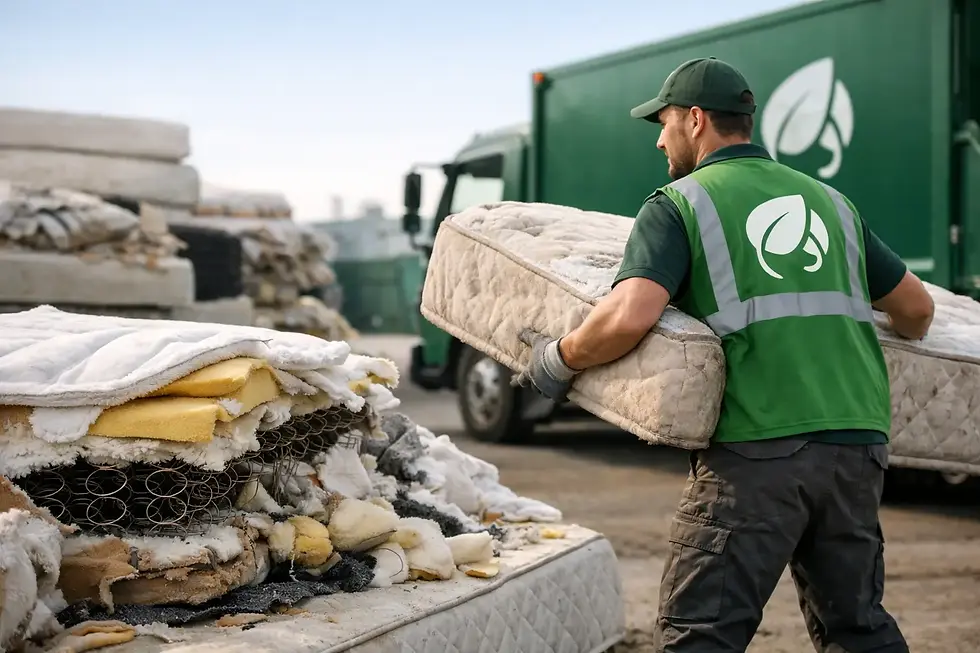
At Jaguar Junk Removal, the crew can remove construction debris, old appliances, furniture, mattresses, garage clutter, and other unwanted items from the property. Whenever possible, reusable items can be directed toward donation and recyclable materials can be separated from general waste. The practical benefit is simple: you get a clear space without having to figure out where every item belongs.
Prepare for a Faster Pickup
You do not need to do the heavy lifting before a removal appointment. Still, a few simple steps can make the job go faster. Identify what stays and what goes, keep pets and children away from the loading area, and make sure the crew has a clear path to the items. If there are gated entrances, stairs, narrow side yards, or large appliances, mention them when requesting a quote.
For contractors and property managers, it also helps to gather loose debris into a safe, accessible area when possible. This is not required, but it can speed up loading and keep the job site organized. If materials are spread across a large property, point out each area at the start so nothing is overlooked.
Final Checks Before Move-In or Turnover
When the junk is gone and the surfaces are cleaned, do one last slow walkthrough. Open every cabinet and drawer. Check closets, the water heater area, the exterior storage space, and behind doors. Look for leftover labels, protective film, loose screws, paint cans, and packaging tucked behind appliances.
Test the basics as well. Make sure doors open freely, outlets are accessible, smoke detectors are clear of dust, and pathways are well lit. If the ADU will be rented, remove personal items and construction leftovers before photos or showings. A clean, empty space makes it easier for people to see the unit's true value.
For ADU builders, homeowners, and property managers in San Diego County and Riverside County, the final cleanup is the point where a construction project becomes a usable living space. Give it the same attention you gave the build itself. Clearing the debris, protecting the finished work, and getting help with the heavy hauling can make move-in day feel like the finish line it should be.


Comments